This Week On The Homestead – Week 14
With warmer days ahead, it’s time to focus on building healthy soil. Mulching not only suppresses weeds but also retains moisture and fosters the microbial life that’s vital to a thriving permaculture garden.
As spring settles in, think about starting a compost tea regimen to boost plant health. Compost tea delivers a nutrient-rich solution directly to the soil, enhancing microbial life and promoting vigorous growth. - Learn more about compost tea
This week, let’s dive into the art of permaculture zones. By strategically placing elements in your garden according to how frequently you use them, you can create a more efficient and sustainable design.
The first signs of spring are appearing, and depending on where you live it might be the time to sow cool-weather crops like peas, spinach, and lettuce. These hardy plants can thrive in the unpredictable weather of early spring.
After a long winter break, we finally sat down again to record another episode of the Modern Homesteading Podcast. It had been months since we last talked together, and as we caught up, it became clear that even though winter can feel slow, homesteading never really stops. Spring is creeping in. The snow is melting…
As you start seedlings indoors, consider experimenting with heirloom varieties. Not only are these plants often hardier and more flavorful, but saving their seeds also helps preserve genetic diversity in your garden.
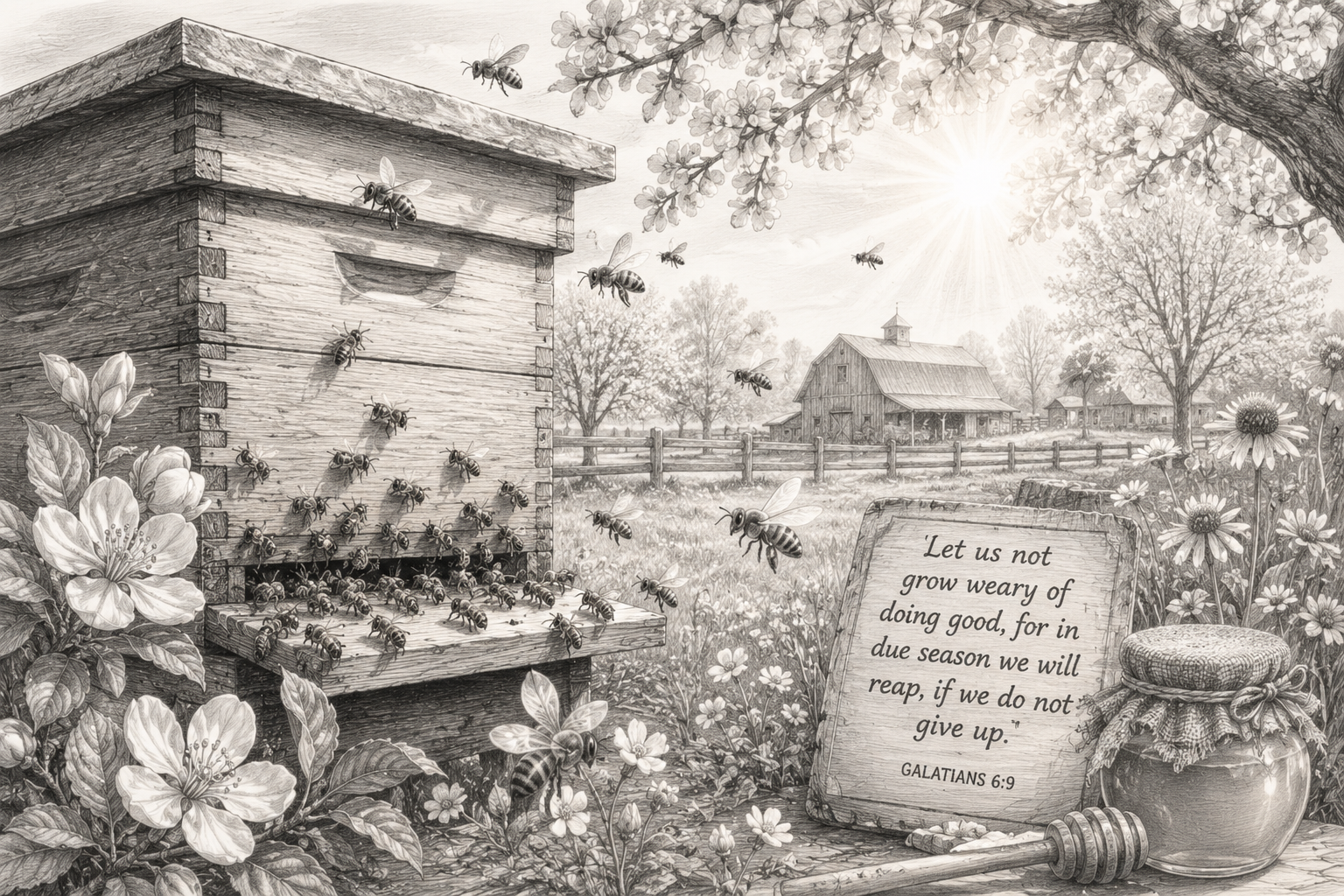
“Whatever you do, work heartily, as for the Lord and not for men.”— Colossians 3:23 (ESV) Spring has a way of waking up the homestead. After the slower rhythm of winter, the days suddenly fill with activity. Garden beds need prepared. Seeds must be planted at the right time. Fences repaired. Animals checked. Tools sharpened.…
This week, explore the benefits of creating microclimates in your garden. By using natural elements like rocks, water features, and trees, you can moderate temperature extremes and protect more sensitive plants from harsh weather.
As winter begins to thaw, now is the ideal time to check in on your perennial plants. Prune fruit trees, clean up dead growth, and assess the health of your soil. Early spring maintenance is key to a thriving garden.
Permaculture isn't just about plants—it's about creating a sustainable, self-sufficient system. This week, look into water conservation techniques such as rainwater harvesting and swales, preparing your garden for efficient water use in the upcoming growing season.
Let’s focus on using winter downtime to sharpen your tools and improve your infrastructure. Properly maintained tools make garden tasks more efficient and will last longer, saving resources in the long run.
With frost still on the ground, it’s time to explore the concept of food forests. By integrating trees, shrubs, and perennials into your garden, you can create a resilient system that mimics natural ecosystems and provide abundance for your homestead.