
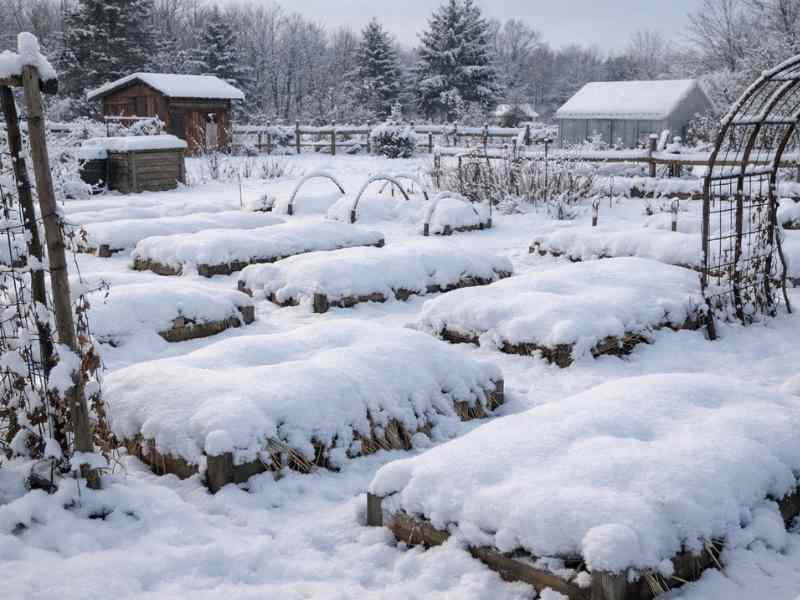
Why the quiet season may be the most important one for your garden
Winter often feels like a pause button on the homestead. Beds are bare, tools are hung up, and the land looks like it’s sleeping. But beneath the surface, soil is still alive—and what you do (or don’t do) during winter can have a massive impact on your garden’s success next spring.
Healthy soil isn’t built in a weekend. It’s built over seasons. And winter is one of the most overlooked opportunities to improve soil health naturally, slowly, and cheaply.
In this post, we’ll look at why winter matters for soil, and walk through practical, low-effort ways to protect, feed, and improve your soil when everything else seems dormant.
Why Winter Soil Care Matters More Than You Think
Even when plants aren’t actively growing, soil biology doesn’t simply shut down. Microbes, fungi, worms, and insects slow down—but they don’t disappear. Their survival through winter determines how quickly your soil “wakes up” in spring.
Neglected winter soil often leads to:
- Compaction from rain and freeze-thaw cycles
- Nutrient loss from erosion and leaching
- Dead, crusted soil that takes weeks to warm and revive
Cared-for winter soil, on the other hand:
- Holds nutrients in place
- Protects microbial life
- Warms faster in spring
- Requires less fertilizer and work later
Winter soil care is preventative homesteading—quiet work now that saves major effort later.
Keep the Soil Covered at All Costs
Bare soil is your enemy in winter.
When soil is exposed, rain compacts it, wind erodes it, and freezing temperatures damage soil structure. Nature almost never leaves soil uncovered—and neither should we.
Best Winter Soil Covers
- Fallen leaves (shredded if possible)
- Straw or old hay
- Wood chips (especially for paths and perennial beds)
- Spent garden plants (chopped and dropped)
- Cardboard + mulch for problem areas
A thick layer—4 to 6 inches—is ideal. You’re not trying to grow plants; you’re trying to insulate life underground.
Use Winter Mulch as Soil Armor
Mulch in winter does more than protect against cold.
It:
- Prevents erosion during winter rains
- Buffers freeze-thaw cycles that break soil aggregates
- Feeds microbes slowly as it breaks down
- Encourages earthworms to stay active longer
Unlike spring mulch (which can sometimes slow warming), winter mulch is almost always beneficial.
Think of it as a blanket for your soil—keeping temperatures stable and moisture regulated.
Add Organic Matter While Nothing Is Growing
Winter is the perfect time to add materials that need time to break down.
You’re not feeding plants right now—you’re feeding the soil food web.
What to Add in Winter
- Finished compost
- Semi-finished compost
- Manure (well aged or applied early winter)
- Leaf mold
- Spent bedding from chickens or rabbits
Spread it right on top of beds and let snow, rain, worms, and microbes do the work. By spring, much of it will be partially incorporated without tillage.
Compost Doesn’t Stop in Winter (It Just Slows Down)
A compost pile is one of the best winter soil-building tools you have.
Even in cold climates:
- Compost piles insulate themselves
- Microbial activity continues internally
- Kitchen scraps still break down
Winter Compost Tips
- Keep adding carbon (leaves, cardboard, straw)
- Insulate piles with old hay bales or tarps
- Use hot compost methods if possible
- Bury food scraps deep to deter pests
Every bucket of compost you make in winter is spring fertility you don’t have to buy.
Protect Soil Structure from Compaction
Winter soil is especially vulnerable to compaction.
Walking on wet or frozen soil crushes air pockets and destroys fungal networks. This damage can last all season.
Simple Winter Rules
- Stay off garden beds when wet
- Use defined paths (mulched or chipped)
- Avoid heavy equipment on soil
- Let frozen ground thaw naturally
If you protect soil structure in winter, roots will grow deeper and stronger in spring.
Feed the Soil Biology, Not the Plants
Winter soil health is about long-term fertility, not instant growth.
Instead of soluble fertilizers, focus on slow inputs:
- Compost
- Mulch
- Manure
- Natural mineral amendments (rock dusts, lime, gypsum if needed)
These materials:
- Break down slowly
- Become available over time
- Improve soil texture and biology
Winter gives them months to integrate before planting season.
Leave Roots in the Ground Whenever Possible
When you pull plants out completely, you remove:
- Carbon sources
- Microbial housing
- Soil structure
Instead:
- Cut plants at soil level
- Leave roots to decay naturally
- Let microbes and worms recycle them
Dead roots become organic matter and create channels for water and air—free soil improvement with zero effort.
Winter Is the Best Time to Plan Soil Improvements
You can’t always work soil in winter—but you can observe it.
Look for:
- Drainage issues
- Erosion patterns
- Compacted paths
- Low organic matter areas
Winter reveals problems clearly because plants aren’t hiding them.
Use this time to plan:
- Cover crop rotations
- Compost needs
- Mulch sources
- Bed redesigns
Healthy soil starts with thoughtful observation.
Snow Is Not a Problem—It’s a Resource
Snow is often misunderstood as a nuisance.
In reality, it:
- Insulates soil from extreme cold
- Slowly releases moisture
- Protects microbes
- Prevents wind erosion
A mulched bed under snow is one of the safest environments soil can have in winter.
Winter Soil Health Reduces Spring Work
When soil is cared for in winter:
- Beds warm faster
- Weeds are reduced
- Soil is softer and easier to plant
- Fertility is already in place
Instead of rushing to “fix” soil in spring, you simply plant into prepared ground.
That’s one of the quiet blessings of winter soil care—less stress when the busy season arrives.
Final Thoughts: The Soil Never Sleeps
The homestead may look still in winter, but soil is quietly changing—either improving or degrading.
Every leaf you leave, every bed you mulch, every root you let rot in place is an investment in future harvests.
Winter soil care doesn’t require fancy tools or back-breaking labor. It requires patience, observation, and respect for how nature builds fertility over time.
Care for your soil when no one is watching—and it will reward you when everyone is harvesting.


very good information, make a lot of sense