
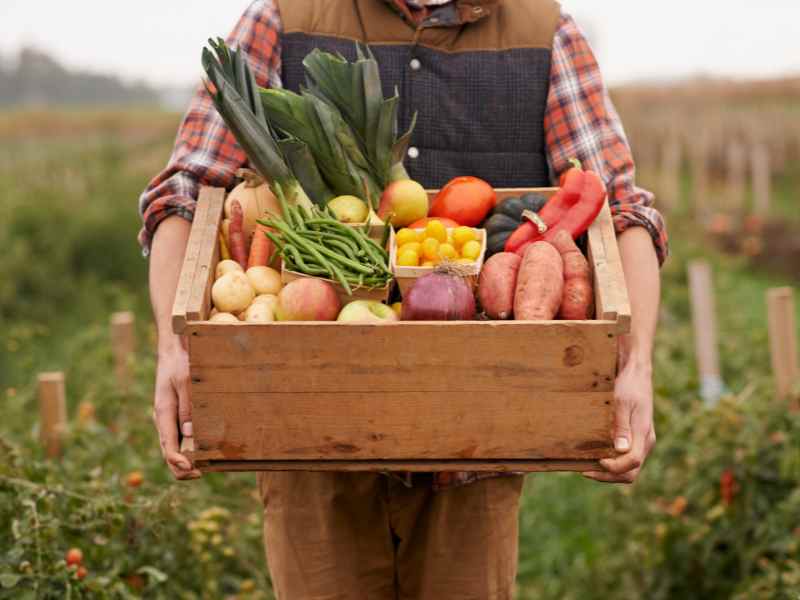
Neo-Calvinism, developed by theologians like Abraham Kuyper, and Herman Bavinck, emphasizes that Christ is sovereign over every aspect of creation. As Kuyper famously said, “There is not a square inch in the whole domain of our human existence over which Christ, who is Sovereign over all, does not cry: ‘Mine!’” (Sphere Sovereignty, in Abraham Kuyper: A Centennial Reader). Farming, therefore, is not just an economic activity but a sacred vocation. Neo-Calvinism challenges us to view agriculture as a vital area for applying biblical principles, reflecting God’s order and redemptive work. This article delves into how Neo-Calvinism shapes farming practices, restores creation, and anticipates the Kingdom of God.
The Cultural Mandate: Farming as a Holy Vocation
Biblical Foundations of the Cultural Mandate
The cultural mandate given in Genesis 1:28 calls humanity to “be fruitful and multiply, and fill the earth and subdue it; and have dominion over the fish of the sea and over the birds of the air and over every living thing that moves upon the earth.” This dominion is not about exploitation but stewardship—to nurture creation for God’s glory and human flourishing. Bavinck underscores this when he states, “The cultural mandate is not abrogated but rather fulfilled in Christ, who enables His people to carry it out faithfully in every sphere of life” (Reformed Dogmatics, vol. 2).
Application to Farming Practices
Farming as a holy vocation means:
- Cultivating the land with respect for God’s design.
- Avoiding harmful practices like overuse of chemicals and soil depletion.
- Building systems that reflect the Creator’s care for biodiversity and sustainability.
Nurturing Creation for Flourishing
Bavinck reminds us that humanity is “placed in creation not to exploit it, but to steward it, to nurture its flourishing, and to reflect God’s care for it” (Reformed Ethics, vol. 1). By stewarding the land wisely, farmers become co-laborers with God, bringing about a reflection of Eden’s order and abundance.
Grace Restores Nature: Redemption Through Agriculture
Theological Principle: Grace Does Not Abolish Nature
Neo-Calvinism holds that God’s grace restores and perfects nature. Bavinck explains, “Grace does not abolish nature but affirms and restores it. It does not work through destruction but by renewal” (Reformed Dogmatics, vol. 1). Sin has brought brokenness to creation, but Christ’s redemptive work initiates its restoration.
Practical Examples in Farming
Farming reflects this restoration through practices such as:
- Regenerative Agriculture: Crop rotation, composting, and reduced tillage restore soil fertility.
- Pollinator Protection: Encouraging biodiversity and habitat preservation revives ecosystems.
- Healing Land: Revitalizing degraded land mirrors the renewing work of grace in creation.
Eschatological Hope in Agriculture
As Vos writes, “The eschatological hope includes not merely the redemption of humanity but the renewal of all creation. The cosmos itself will be freed from its bondage to corruption” (The Pauline Eschatology). Every act of restoration on the farm is a small but meaningful foretaste of the renewal promised in Christ’s return.
Sphere Sovereignty: Order in Agriculture
The Theology of Sphere Sovereignty
Kuyper’s sphere sovereignty teaches that God ordains distinct spheres of life—family, church, state, and business—each with its unique responsibilities and boundaries. Farming is a distinct sphere under God’s rule, requiring practices that honor His design.
Aligning Farming with God’s Order
Faithful farming practices under sphere sovereignty include:
- Preserving biodiversity, reflecting the Creator’s wisdom.
- Rejecting monoculture techniques and industrial systems that harm creation.
- Practicing sustainable management of resources.
Kuyper writes, “God created the world with a rich variety of life, and it is our calling to preserve, develop, and glorify this creation in accordance with His will” (Lectures on Calvinism). Farmers align with God’s sovereignty when they prioritize sustainability and stewardship over profit.
Common Grace: Building Partnerships for Stewardship
Understanding Common Grace
Common grace refers to God’s blessings to all humanity, restraining sin and allowing for cultural and societal development. Kuyper explains, “Thanks to common grace, there are still good gifts in the world. This grace restrains sin and allows the development of culture and society” (Common Grace, vol. 1).
Collaborating with Non-Believers
In farming, common grace enables:
- Partnerships with secular environmental groups to protect ecosystems.
- Shared efforts to combat harm against the environment and promote sustainable agriculture.
- Mutual learning from scientific advancements while maintaining theological integrity.
Demonstrating God’s Wisdom
Through collaboration, Christians can model God’s design for creation care. These partnerships become opportunities to reflect His glory and point others to the Creator.
Creation as Revelation: Worship Through Farming
Farming as an Act of Worship
Creation reveals God’s character, and farming is a way to participate in this revelation. Vos states, “The heavens declare the glory of God, but it is through human stewardship that this revelation becomes active and transformational in the world” (Grace and Glory).
Integrating Faith and Work
Farming is not a secular activity but a sacred calling. As Kuyper observed, “Calvinism has fostered the greatest appreciation for science and art, for freedom and general human development. All this springs from its fundamental principle that God is sovereign over every domain of life” (Lectures on Calvinism).
Practical Applications
Farmers worship through:
- Thoughtful land management that reflects God’s order.
- Ethical treatment of animals, acknowledging their role in creation.
- Cultivating beauty and abundance as a testimony to God’s provision.
Farming and Social Equality: Protecting the Vulnerable
The Intersection of Justice and Stewardship
Neo-Calvinism calls for care not only for creation but for the vulnerable within human society. Bavinck noted, “True justice begins with care for the vulnerable—both people and creation” (Reformed Dogmatics, vol. 4).
Promoting Equity Through Agriculture
Farming practices that align with social equality include:
- Supporting local food systems to empower communities.
- Ensuring fair labor practices for farm workers.
- Creating affordable access to healthy, sustainably grown food.
The Kingdom Vision: Anticipating New Creation
Farming as a Foretaste of the Kingdom
Vos describes the Kingdom of God as “the realization of the highest ideal in which the spiritual and the natural are perfectly integrated” (The Teaching of Jesus Concerning the Kingdom of God and the Church). Farming anticipates this integration, providing glimpses of the shalom promised in the new heavens and new earth.
Living for the King
Bavinck ties this vision to redemption: “In redemption, God does not discard the world but brings it to its intended destiny. Creation and redemption are two acts of the same God, united in His eternal plan” (The Philosophy of Revelation). Through sustainable farming, believers participate in God’s redemptive work and point to His ultimate restoration of creation.
Living the Gospel Through Farming
Neo-Calvinism provides a rich framework for understanding farming as a sacred calling. From the cultural mandate to common grace, from restoring creation to seeking justice, agriculture becomes a profound way to live for the King. As Kuyper declared, “The Christian faith teaches us not only to expect a new heaven but also a new earth. The redemption that Christ brings restores creation to its original purpose” (Pro Rege, vol. 2). This perspective invites farmers and Christians everywhere to embrace their role in God’s redemptive story, aligning their practices with His design and purpose.
Farming, when done under the lordship of Christ, becomes a visible manifestation of the Gospel. It reflects God’s work of creation, redemption, and restoration in every seed planted, every acre nurtured, and every community fed. Geerhardus Vos captures this idea: “The Kingdom of God is the realization of the highest ideal in which the spiritual and the natural are perfectly integrated” (The Teaching of Jesus Concerning the Kingdom of God and the Church). Each act of stewardship anticipates the ultimate integration of heaven and earth under Christ’s rule.
A Witness to the World
In a world often marked by environmental degradation and exploitation, faithful farming offers a powerful testimony. It declares that creation is not an expendable resource but a sacred trust. By restoring degraded land, promoting biodiversity, and practicing sustainability, Christian farmers model a redemptive vision that contrasts sharply with prevailing practices. Faithful stewardship challenges such destructive trends, pointing instead to the flourishing that comes from honoring God’s design.
Restoration and Redemption Through Agriculture
Neo-Calvinism calls Christians to pursue restoration and redemption—peace, wholeness, and flourishing for all creation. Farming provides a unique avenue to live out this calling. Herman Bavinck reminds us, “God’s purpose is to redeem not only individuals but also the entirety of creation. His glory will fill the earth as the waters cover the sea” (Reformed Dogmatics, vol. 4). Through regenerative practices, fair treatment of workers, and provision of nourishing food, farming becomes a means of extending God’s peace to the land, its creatures, and human communities.
A Call to Action
The Neo-Calvinist vision of farming is not merely theoretical; it demands action. It challenges farmers and Christians alike to examine their practices and choices. Are they aligned with God’s principles of stewardship, justice, and restoration? Are they contributing to flourishing or perpetuating harm? Kuyper’s principle of sphere sovereignty reminds us that farming is a sphere under God’s rule, requiring obedience to His design and purpose. This includes:
- Adopting sustainable methods that heal rather than harm the earth.
- Engaging in practices that prioritize long-term flourishing over short-term gain.
- Collaborating with others, including non-believers, to steward creation while maintaining theological distinctiveness.
Anticipating the New Creation
Farming under Christ’s lordship offers a foretaste of the new creation. Every restored field, every thriving ecosystem, and every community nourished by faithful farming points to the ultimate renewal promised in Scripture. As Vos beautifully writes, “The eschatological hope includes not merely the redemption of humanity but the renewal of all creation” (The Pauline Eschatology). This hope sustains and motivates farmers as they labor, knowing that their work participates in God’s redemptive plan.
In the end, farming is not just about producing food or managing resources; it is about living for the King. It is about reflecting His character, obeying His commands, and proclaiming His Gospel through every act of stewardship. As Neo-Calvinism teaches, all of life falls under Christ’s lordship, and farming is no exception. Through faithful stewardship, farmers demonstrate the beauty, order, and abundance of God’s Kingdom, offering the world a glimpse of what it means to live for the King.


