This Week On The Homestead – Week 38
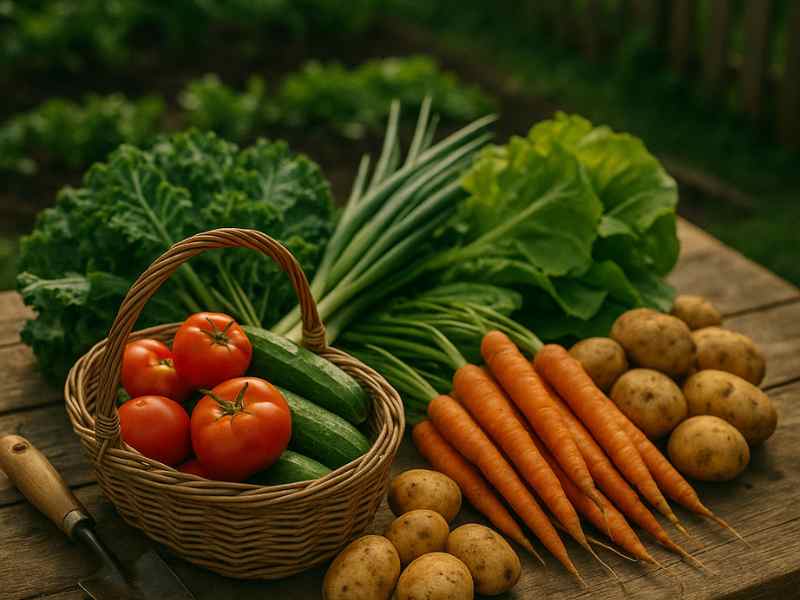
With cooler temperatures on the way, it’s time to transition your garden to fall crops. Kale, spinach, and other hardy greens can thrive in the cooler weather, providing fresh produce well into the fall.
As fall sets in, consider planting garlic and other overwintering crops. These plants will establish themselves before the cold weather hits and provide an early harvest next spring.
This week, focus on composting the remains of your summer garden. By turning plant debris into compost, you’re building soil health and closing the loop on waste in your garden system.
This is a good time for reflection and renewal. As the season shifts, take a moment to assess your garden’s performance this year and make plans for improvements next season. Consider what worked, what didn’t, and how you can build a more resilient system.
With summer winding down, it’s time to consider adding a pond to your permaculture system. Not only does water provide essential hydration, but it also supports wildlife, attracts pollinators, and helps regulate microclimates.
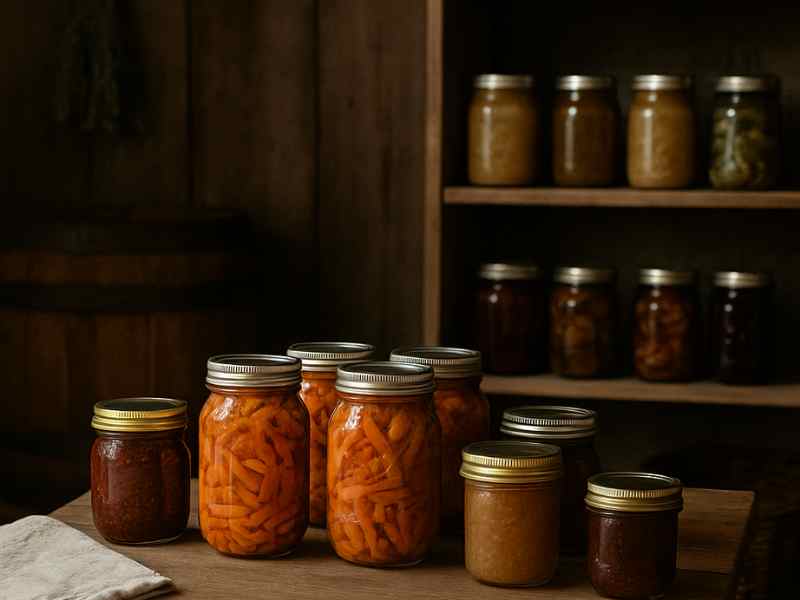
This week, focus on harvesting and preserving the fruits of your labor. Canning, drying, and fermenting are all excellent ways to ensure your summer bounty lasts through the winter months.
As things get past their peak, focus on saving seeds from your most successful plants. This practice not only helps you build a resilient garden year after year but also saves money on seed purchases.
This week, let’s explore the benefits of using green manure to build soil health. Planting legumes or clover in empty beds helps fix nitrogen in the soil, providing a boost for next year’s crops.
This week, explore the benefits of using perennial grains in your garden. Unlike annual crops, perennial grains require less maintenance, reduce soil disturbance, and improve overall soil health year after year.
This can be a month of abundance, but it can also be a time of water scarcity. Focus on water conservation methods like drip irrigation, mulching, and using greywater to keep your garden thriving in the heat.
July brings the heat, and it’s crucial to maintain soil moisture. Consider planting cover crops like buckwheat or clover in any empty garden beds to protect the soil and add organic matter for the next growing season.
With some of your summer crops at their peak, now is the time to focus on preserving your harvest. Canning, freezing, and fermenting are all excellent ways to extend the life of your summer bounty and reduce food waste.