
Homestead Trees: Learn To Plant, Nurture, and Reap The Benefits
Pruning Trees: Tools
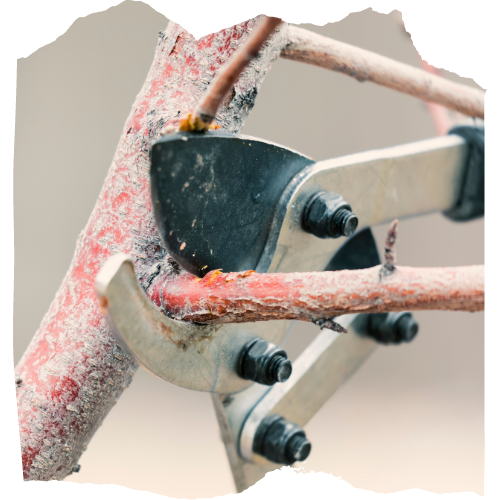
Tools evidence the limitations of our bare hands. But they also evidence the creativity of a determined mind. -Craig D. Lounsbrough
When it comes to pruning your trees, there are a few tools that you will need and some you might want that can make the job easier. No doubt you can get the job done with just a few basic hand tools, however, power tools can save you a lot of time and labor.
Her are a few things you might consider for your tree pruning tool box:
Pruning Shears
Hand pruners, also known as secateurs or bypass pruners, are hand-held gardening tools used for pruning small branches on trees and other plants. They typically have a pair of sharp blades that bypass each other, allowing for a clean and precise cut.
Loppers
Loppers are long-handled tools used for pruning and trimming trees and shrubs. They have a similar design to hand pruners, but with longer handles that provide greater leverage, allowing the user to cut through thicker branches that are too large to be cut with hand pruners. Loppers typically have either a bypass or an anvil blade design and come in varying sizes, with some capable of cutting branches up to 2-3 inches in diameter.
Pole Saw
A pole saw is a tool used for pruning trees and cutting branches. It consists of a long pole attached to a saw blade, allowing the user to reach high branches without using a ladder. The saw blade is usually made of steel and can be either manual or powered by electricity or gasoline.
Chain Saw
Using a chainsaw for tree pruning can be an effective and efficient method for cutting branches and shaping trees. However, it is also a dangerous tool that requires proper training, experience, and safety equipment.
Chain Saw Chaps
Wearing chain saw chaps when using a chain saw is important for personal safety. Chain saw chaps, also known as leg protection, are designed to slow down or stop the chain in the event of a kickback, reducing the risk of serious injury to the legs.
Safety Glasses
Using safety glasses when tree pruning is important because it protects your eyes from flying debris, branches, or sawdust that can cause eye injury. Eye protection is essential when working with power tools and sharp objects, especially when they generate wood chips or splinters, which can cause serious harm to your eyes. Wearing safety glasses is a simple and effective way to prevent eye injuries while tree pruning.
Ladder
When using a ladder for tree pruning, it is important to follow certain safety guidelines to avoid falls and other accidents. Here are a few tips:
Choose the right ladder: Make sure the ladder is sturdy, tall enough to reach the branch you want to cut, and rated for the weight you will be putting on it.
Place the ladder on level ground: Avoid setting the ladder on soft or uneven ground, as this can make it unstable.
Secure the ladder: If possible, have someone hold the ladder or tie it to the tree to prevent it from moving or tipping over.
Avoid overreaching: Keep your center of gravity over the legs of the ladder, and avoid reaching too far to the side or standing on the top two rungs.
By following these tips, you can help ensure a safe and successful tree pruning experience.
Sharpening Tools
Sharpening tools for tree pruning is important to maintain their effectiveness and extend their lifespan. Here are the steps to sharpen your tools:
Clean the tool: Remove any dirt or debris from the blade to ensure a clean surface for sharpening.
Choose the right sharpening tool: A file, a mill bastard file, a triangular file, or a sharpening stone can be used to sharpen your pruning tool.
Determine the angle of the blade: Most pruning tools have a beveled edge that requires a specific angle for proper sharpening. Consult the tool’s manufacturer for the recommended angle.
Sharpen the blade: Hold the sharpening tool at the correct angle and move it along the blade in a smooth, even motion. Repeat until the edge is sharp.
Hone the edge: Use a honing stone or fine-grit sandpaper to refine the edge and remove any burrs.
Test the edge: Test the edge by cutting a piece of paper or slicing through a leaf to see if it is sharp enough.
By regularly sharpening your tree pruning tools, you can maintain their performance, extend their lifespan, and make the task of pruning safer and easier.
First Aid Kit
Having a first aid kit when pruning trees is important in case of accidents and emergencies. Tree pruning involves the use of sharp tools and can pose a risk of injury such as cuts, punctures, and bruises. In case of an injury, a first aid kit can provide immediate treatment to stop bleeding, clean and protect wounds, and prevent infections. By having a first aid kit readily available, you can respond quickly to any unexpected situations and ensure your safety while pruning trees.