
Homestead Trees: Learn To Plant, Nurture, and Reap The Benefits
Trees For Plant Companions
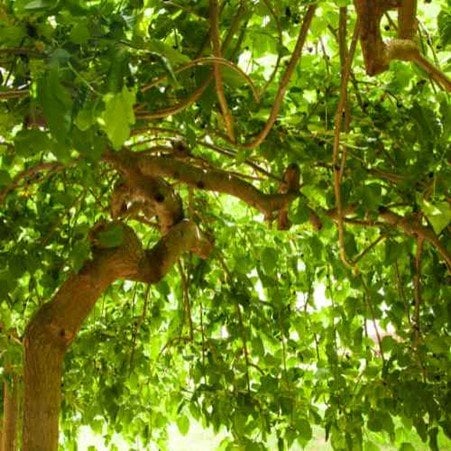
There’s nothing wrong with having a tree for a friend. -Bob Ross
Trees can make good companion plants for a variety of reasons: trees can provide shade and shelter, can help to manage soil nutrients, attract beneficial insects, and help to create a diverse and balanced ecosystem. Trees can be a valuable addition to a companion planting scheme, providing a range of benefits to neighboring plants.
Microclimate
Trees are an important part of creating microclimates, which are small-scale climate systems that are different from the surrounding area. Trees can provide shade, reduce wind speed, and release moisture into the air, all of which can have a significant impact on the local climate.
One way that trees can create microclimates is by providing shade. When trees are planted in areas that receive a lot of direct sunlight, they can help to reduce the amount of heat that is absorbed by the ground. This can help to keep the area cooler and reduce heat for animals and heat sensitive plants.
Trees can also help to reduce wind speed. By providing a barrier to the wind, trees can help to slow down the movement of air, which can make the area feel warmer. This can be especially beneficial in areas that are prone to cold winds or in areas that are exposed to harsh weather conditions.
In addition, trees release moisture into the air through a process called transpiration. This can help to increase humidity levels, which can be beneficial in dry or arid climates. The increased humidity can also help to cool the area and reduce the risk of wildfires.
Overall, trees can have a significant impact on the local climate, and planting trees strategically can be an effective way to create microclimates that are more favorable to human and animal health. However, it’s important to consider factors such as the type of trees, their placement, and the local climate when designing a tree-planting strategy for microclimate modification.
Soil Nutrients
Living trees can provide a range of nutrients that can enrich the soil and promote healthy plant growth. Some of the nutrients that trees can provide include:
Carbon: Trees absorb carbon dioxide from the atmosphere and store it in their tissues. When leaves fall to the ground, they decompose and release carbon into the soil, which can help to improve soil fertility.
Nitrogen: Nitrogen is an essential nutrient for plant growth, and trees can fix atmospheric nitrogen and convert it into a form that can be used by other plants. This is particularly true for nitrogen-fixing trees such as alder, locust, and acacia.
Potassium: Trees can take up potassium from the soil and store it in their tissues. When leaves fall to the ground, they release potassium into the soil, which can improve soil fertility and promote healthy plant growth.
Phosphorus: Trees can also take up phosphorus from the soil and store it in their tissues. When leaves fall to the ground, they release phosphorus into the soil, which can promote healthy root growth and improve soil fertility.
Organic matter: Trees can contribute to the buildup of organic matter in the soil, which can improve soil structure, water-holding capacity, and nutrient availability. This is particularly true for trees that have deep, extensive root systems, as they can help to break up compacted soil and improve soil aeration.
In summary, living trees can provide a range of nutrients that can enrich the soil and promote healthy plant growth, including carbon, nitrogen, potassium, phosphorus, and organic matter.
Building Guilds
Trees can play an important role in plant guilds, which are groups of plants that are grown together in a mutually beneficial arrangement. Trees can provide a range of benefits to other plants in a guild, including:
Shade: Trees can provide shade to other plants in a guild, which can help to protect them from the sun’s heat and reduce water loss through evaporation.
Nutrients: As discussed in the previous section, trees can contribute nutrients to the soil through their leaves, roots, and decomposing wood. This can help to enrich the soil and provide essential nutrients to other plants in the guild.
Habitat: Trees can provide habitat for beneficial insects, birds, and other animals, which can help to control pests and promote pollination.
Microclimate: Trees can modify the microclimate in a guild by reducing wind speed, increasing humidity, and creating a cooler, more sheltered environment. This can help to promote healthy plant growth and reduce stress on plants.
Root systems: Trees often have extensive root systems that can help to break up compacted soil and improve soil aeration. This can improve soil fertility and promote healthy plant growth throughout the guild.
Trees can contribute to plant guilds in a range of ways, including by providing shade, nutrients, habitat, microclimate modification, and improved soil structure. By planting trees strategically and designing plant guilds that take advantage of these benefits, it is possible to create healthy and sustainable ecosystems that support a range of plants, animals, and other organisms.
Download: Trees For Plant Companions Checklist PDF