
Homestead Trees: Learn To Plant, Nurture, and Reap The Benefits
Trees For Firewood
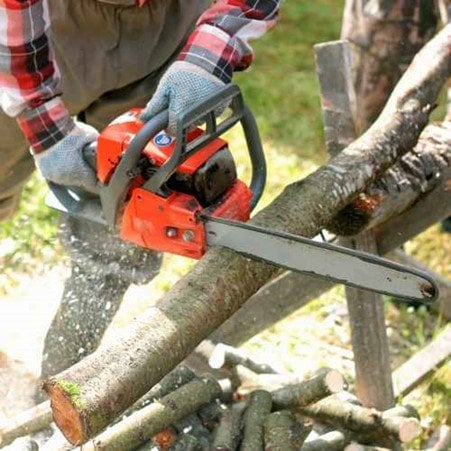
Chop your own wood and it will warm you twice -Henry Ford
Growing trees as firewood can be a good option for producing a renewable resource, as long as it is done sustainably and responsibly. Here are some things to keep in mind:
Choose the right species: Not all tree species are suitable for firewood. Some species, like oak, hickory, and maple, are known for producing high-quality firewood that burns well and produces a lot of heat. Other species, like pine, may not be as good for firewood because they contain a lot of resin, which can cause creosote buildup in chimneys.
Plant trees specifically for firewood: If you are planning to grow trees specifically for firewood, it is important to choose species that grow quickly and produce a lot of wood. Fast-growing species can be good options, as they can produce a lot of wood in a relatively short period of time.
Practice sustainable forestry: To ensure that your firewood production is sustainable, it is important to practice responsible forestry practices. This can include planting trees in a way that promotes healthy forest ecosystems, avoiding clear-cutting, and ensuring that your tree harvest is not degrading soil quality or damaging other natural resources.
Consider using wood from storm-damaged or dead trees: If you are looking for a source of firewood, consider using wood from trees that have already died or have been damaged in a storm. This can be a good way to reduce waste and make use of wood that would otherwise go unused.
Season your wood properly: To ensure that your firewood burns efficiently and produces less smoke, it is important to season your wood properly. This involves allowing the wood to dry out for at least six months before using it as firewood.
By following these guidelines, you can grow trees specifically for firewood and produce a renewable resource in a sustainable and responsible way.
Understanding BTU’s
BTU stands for British Thermal Units and is a measure of energy. In the context of firewood, BTU refers to the amount of energy that can be produced when the wood is burned. This is used as a way to compare the heating efficiency of different types of firewood, with higher BTU values indicating more heat produced per unit of wood burned.
Best Trees For Firewood
The BTU (British Thermal Units) content of firewood can vary greatly based on several factors, including the species of the tree, how it was seasoned (dried), and even the climate in which it grew.
Here is a list of some common types of trees used for firewood, and their estimated BTUs per cord:
- Oak: 25-29 million BTUs per cord
- Maple: 24-28 million BTUs per cord
- Birch: 22-26 million BTUs per cord
- Hickory: 26-30 million BTUs per cord
- Ash: 24-28 million BTUs per cord
- Cherry: 22-26 million BTUs per cord
- Walnut: 22-26 million BTUs per cord
Please note that these are rough estimates, and the actual BTU content can vary greatly. Additionally, these numbers are based on seasoned wood, so freshly cut wood will have lower BTU values.
Best Methods for Harvesting Firewood
There are several methods for harvesting firewood, including:
Hand tools: Using hand tools such as an axe, saw, or maul to fell and process trees into firewood. This method is suitable for small scale harvesting and is less damaging to the environment.
Mechanical processing: Using chainsaws, skidders, and other heavy machinery to process large amounts of wood quickly. This method is more efficient and is suitable for large scale operations. However, it can have a greater impact on the environment and should be done with caution.
Sustainable practices: Selecting trees that are dead, diseased, or otherwise in decline and removing them to promote healthy regrowth. This method is environmentally friendly and can provide a continuous supply of firewood.
Regardless of the method used, it is important to follow proper safety protocols and to adhere to all local laws and regulations regarding harvesting firewood.
Download: Trees For Firewood Checklist PDF