
Homestead Trees: Learn To Plant, Nurture, and Reap The Benefits
Trees For Habitat
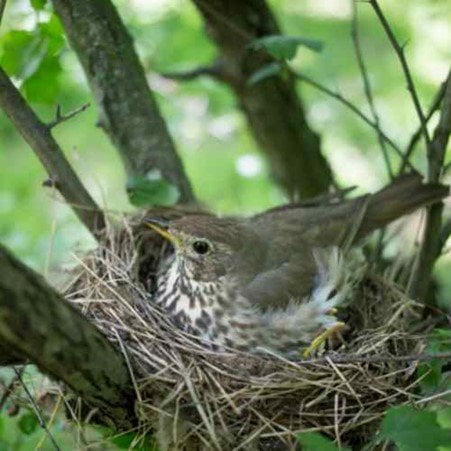
I believe our biggest issue is the same biggest issue that the whole world is facing, and that’s habitat destruction. -Steve Irwin
Growing trees for the purpose of creating or enhancing natural habitats can be a valuable and worthwhile consideration for several reasons:
Biodiversity: Trees provide habitat and shelter for a wide range of wildlife species, helping to conserve biodiversity and maintain the health of ecosystems.
Environmental benefits: Trees absorb carbon dioxide from the atmosphere and release oxygen, helping to mitigate the effects of climate change and improve air quality.
Erosion control: Trees help to prevent soil erosion and maintain the stability of slopes and riverbanks.
Flood control: Trees can slow the flow of water in streams and rivers, reducing the risk of flooding.
Aesthetic value: Trees can add beauty and aesthetic value to natural and urban landscapes.
Education and outreach: Planting trees can also serve as an educational tool and a way to engage communities in conservation and environmental efforts.
However, it’s important to note that growing trees for natural habitat requires careful planning and consideration of the site, soil, water, and species of tree being planted. Additionally, proper care and management of the trees over time is crucial for their success and for maintaining the health and diversity of the habitats they create. Working with experts in forestry, ecology, and conservation can be helpful in ensuring that the trees are planted and managed in a way that meets the goals of the project and contributes to the health and sustainability of the environment.
Beneficial Species That Can Take Advantage Of Tree Habitat
There are many beneficial species that can take advantage of tree habitat on a home property, depending on the specific characteristics of the trees and the surrounding environment. Here are a few examples:
Birds: Trees provide important habitat for a wide variety of bird species, including nesting sites, food sources, and shelter from the elements. Some bird species that are commonly found in tree habitat include blue jays, cardinals, chickadees, and martins.
Insects: Trees can provide important habitat for a wide variety of beneficial insect species, such as bees, butterflies, and ladybugs. These insects are important pollinators and can help control pest populations on the property.
Small mammals: Trees can also provide important habitat for small mammal species such as squirrels, chipmunks, and rabbits. These animals can help disperse seeds and improve soil health through their burrowing activities.
Fungi: Trees can also provide important habitat for beneficial fungi species, which can help break down organic matter and improve soil health. Fungi such as mycorrhizae can form beneficial relationships with the roots of trees, providing important nutrients and promoting healthy growth.
Reptiles and amphibians: Trees can also provide important habitat for a variety of reptile and amphibian species, such as salamanders and frogs. These animals can help control pest populations and improve soil health through their burrowing and feeding activities.
Overall, there are many different species that can benefit from tree habitat on a home property. By creating a diverse and healthy ecosystem around your trees, you can help support a wide variety of beneficial species and improve the health of your property.
Download: Trees For Habitat Checklist PDF